Workouts & Articles

Doug Hepburn, one of the most celebrated strongmen of the 1950s and 60s, achieved the remarkable feat of strict-curling 225 pounds during an era when such strength was truly extraordinary. Although many modern lifters focus on compound movements, the curl has always been extensively used in barbell routines as a fundamental test of arm strength. Specifically, the two hands slow curl gives lifters a good indication of their arm power in one of the two basic movements governed by them.

Squats, milk, and brutal hard work define John McCallum’s Keys to Progress, a refreshing contrast to today’s overcomplicated fitness programs. Over the span of 12 years, McCallum wrote a column for “Strength and Health” magazine that delivered straightforward, no-nonsense training advice in a unique parable style.
Unlike modern fitness influencers who often create elaborate beginner routines, The Complete Keys to Progress by John McCallum takes a different approach. His very first article challenges readers to squat 150% of their bodyweight for 15 reps—and to achieve it quickly. This 280-page book, despite its small font, captivates readers and “goes by in a flash” because of its engaging storytelling and practical wisdom.
Went against the silver era greats including Steve Reeves, Clarence Ross, and George Eiferman. John Grimek, known as the ‘Monarch of Muscledom,’ was a formidable legend in physical culture. An Olympic weightlifter and bodybuilder, his physique wasn’t built overnight; John Grimek Method for bulking is based on gradual, sustainable weight gain.
Under Mark Berry’s guidance, Grimek pushed his weight to a massive 250 pounds during his prime bulking phase. But in the 1936 Olympics, competing in the heavyweight category, he brought it down to around 195 pounds—the lightest in his division. Yet, he still owned the platform, proving that it’s not just size but the quality of muscle that matters.
A complete guide to the different eras of bodybuilding history, from the Early Years to the Modern Era.
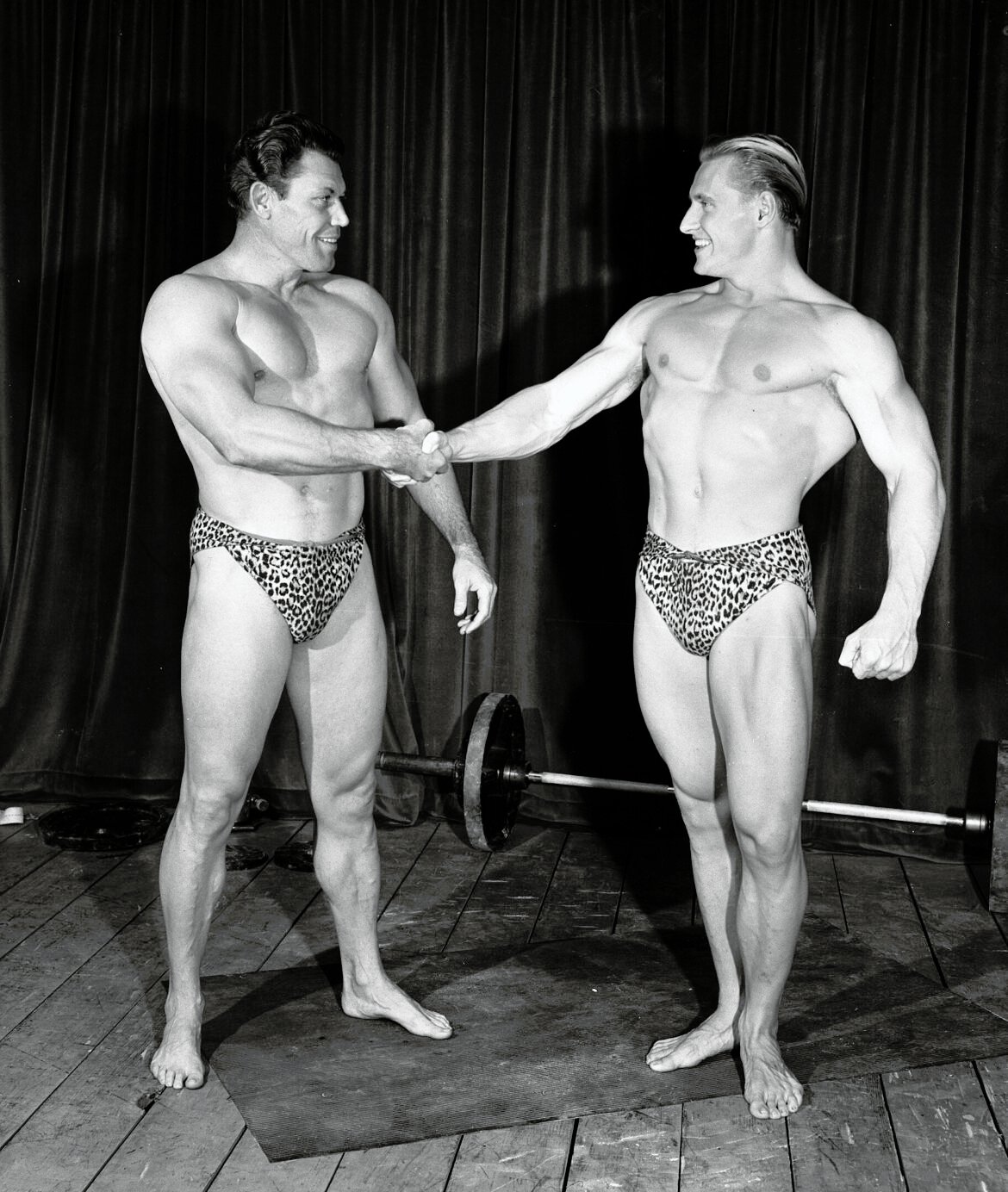
A comprehensive guide to the most important bodybuilding competitions in history.
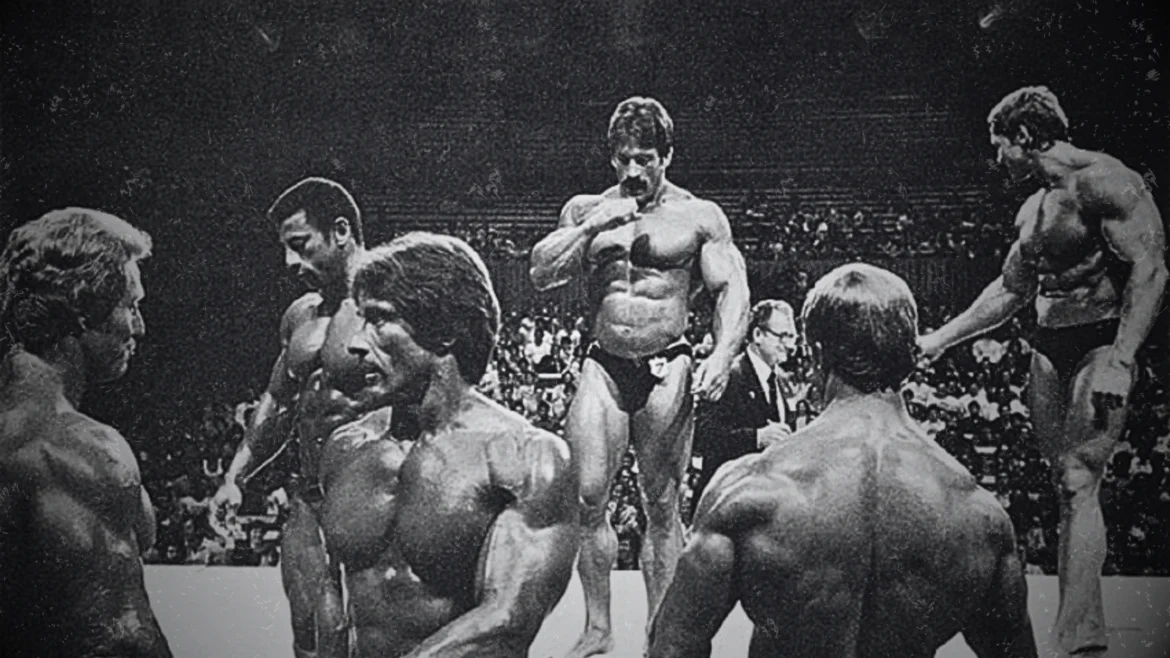
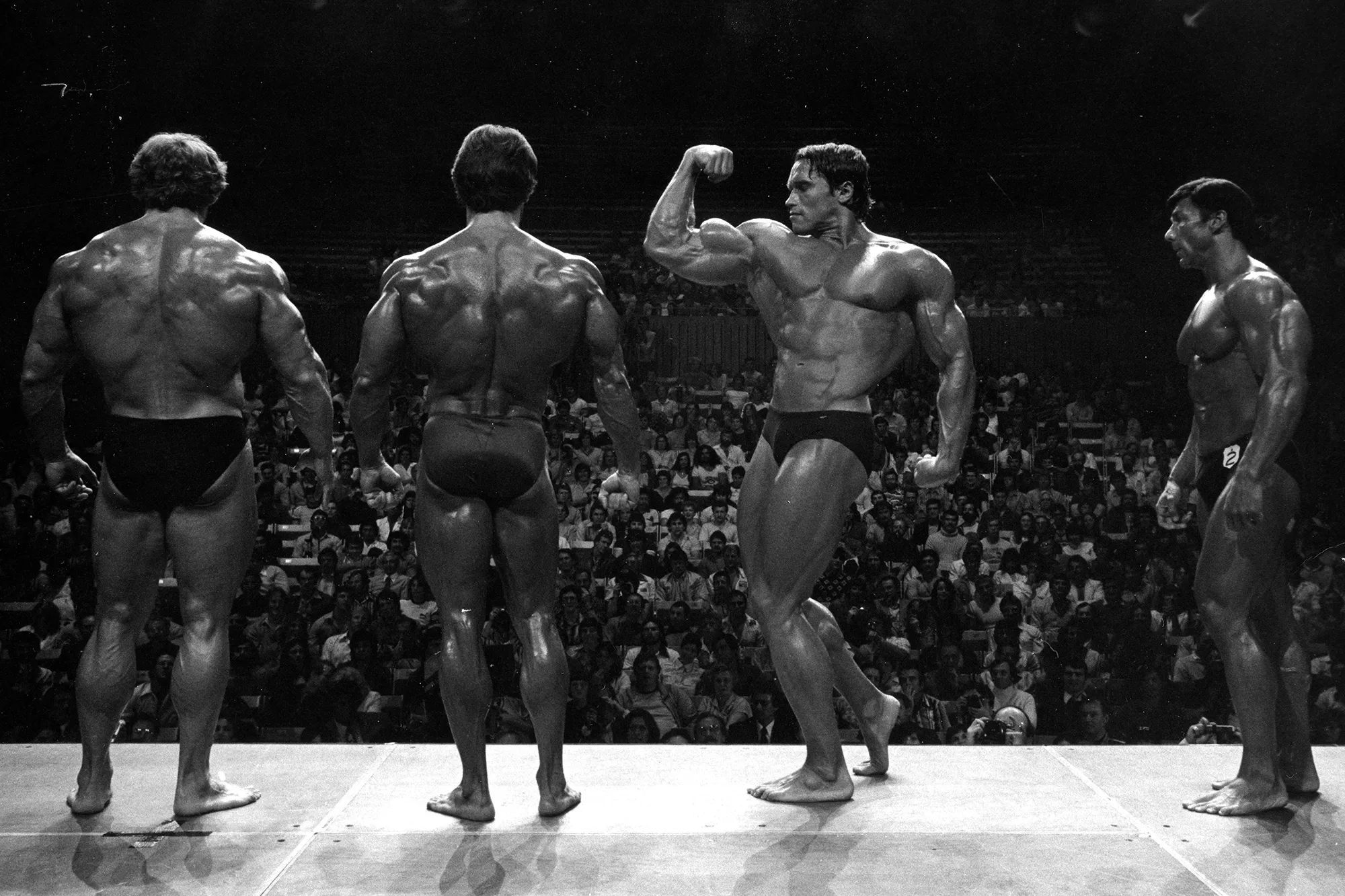
The 1980 Mr. Olympia remains bodybuilding’s most disputed competition. 40% of the 2,000 spectators booed loudly when they heard the winner’s name. This prestigious event made history by moving beyond U.S. shores to Australia’s iconic Sydney Opera House.
Nobody saw what came next. Arnold Schwarzenegger, the six-time champion who stepped away in 1975, stunned everyone with his comeback announcement just 24 hours before the show. His surprise entry stirred heated debates since he reached only 80-90% conditioning of his peak form. The situation grew more complex as several judges turned out to be Arnold’s close friends. Meanwhile, the current champion Frank Zane battled a serious injury, and Mike Mentzer, known for his perfect scores, stood ready to claim the crown.
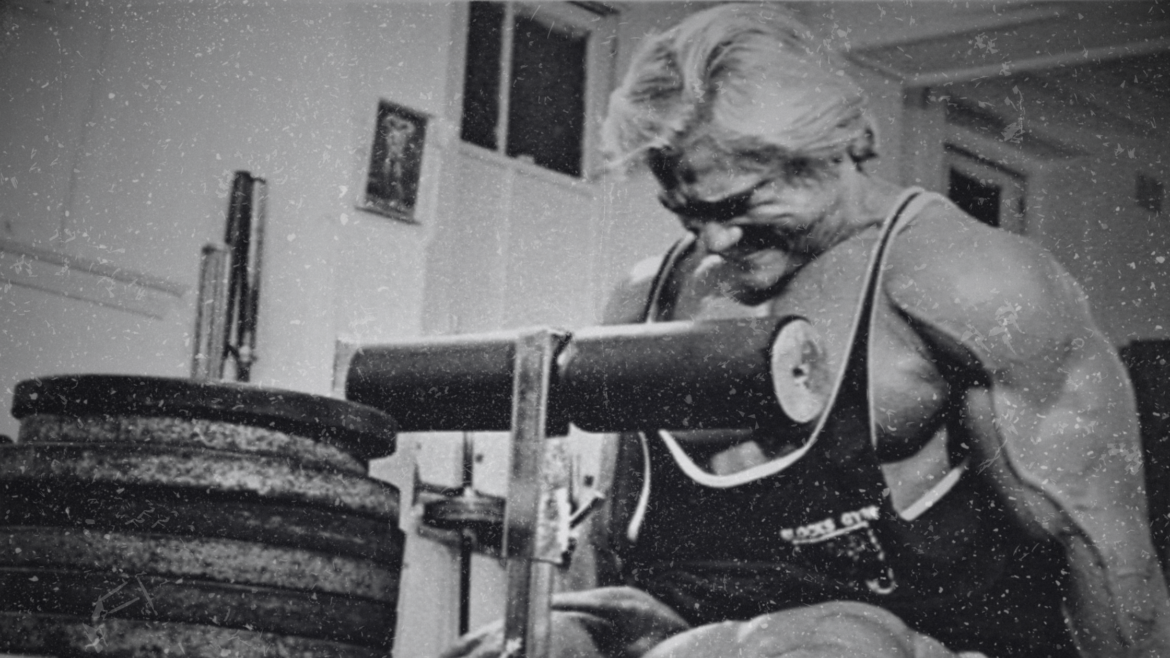
The introduction and subsequent high doses of growth hormones have altered the bodybuilding landscape drastically, particularly over the last few decades. Today, bodybuilders’ physiques appear bulkier and more beefed-up than those in the 70s’. However, the concept of testosterone boosting and using performance-enhancement drugs dates back to the Roman Empire, when people used to eat mammalian testicles to improve physical strength.
A more contemporary alternative to the above approach was discovered in 1889 when Dr. Charles Brown-Sequard invented the “Elixir of Life,” an injectable solution that eventually became a prescription drug for performance boosting at the end of the same year. Then, fast-forward to 1935, scientists were able to discover a hormone with remarkable energy-boosting, performance-enhancing, and anti-aging benefits: testosterone. In the same year, researchers Leopold Ruzicka and Adolf Butenandt discovered a way to synthesize testosterone for its commercial use.
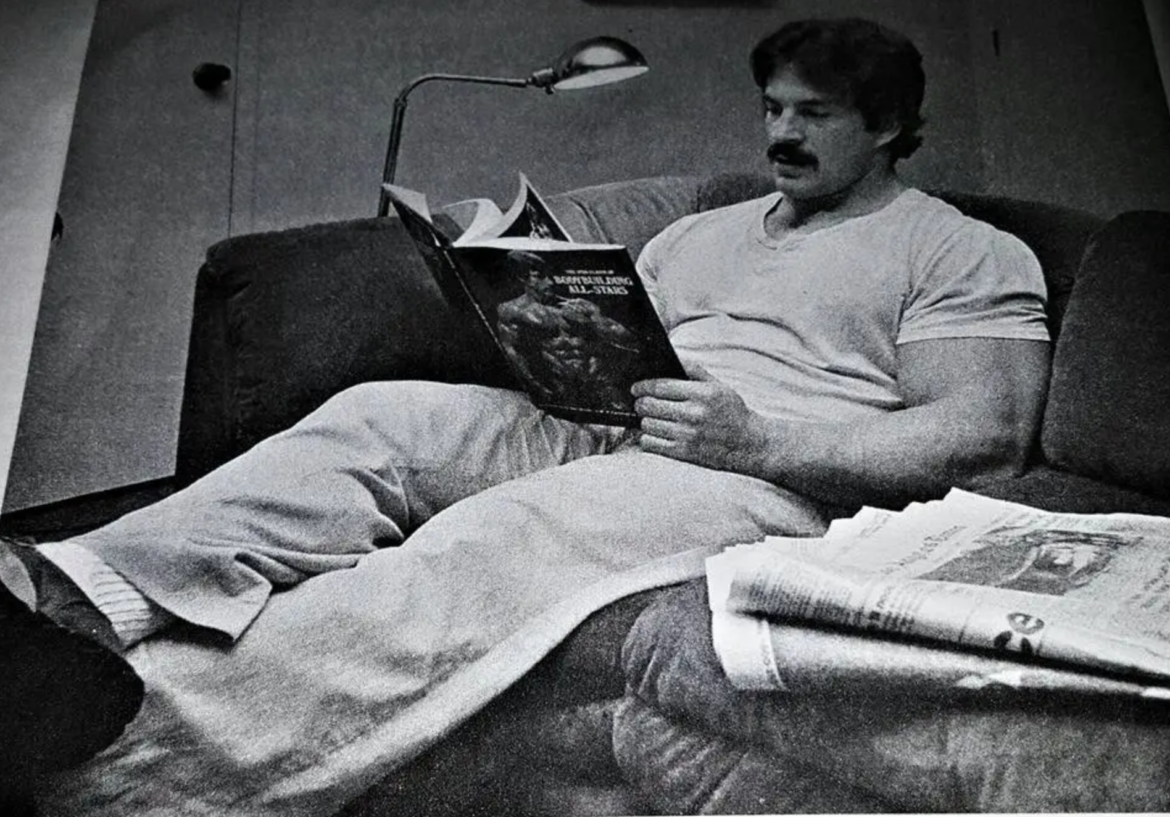
Mike Mentzer was a renowned bodybuilder and a significant figure in the field of bodybuilding. Born on November 15, 1951, in Pennsylvania, USA, Mentzer had a successful career and left a lasting impact on bodybuilding.
Mentzer’s training methods were scientifically designed and aimed at inducing the highest possible level of muscle stimulation. He believed in training to failure, where the muscles are pushed to their limits in each set. This approach helped bodybuilders achieve maximum muscle growth and strength gains.
The Bodybuilding Archive is dedicated to covering the lives of old school bodybuilders pre-2000. We’re the dedicated few still passionate about the old school training methods and the influence these legends had on the sport we love. In this post we look back at 25 of the most influential figures in world bodybuilding, in no particular order.

Eugen Sandow: The Godfather of Bodybuilding
Eugen Sandow, born on April 2, 1867, was a pioneering German bodybuilder widely regarded as the “Father of Modern Bodybuilding.” Sandow was not only a strongman but also a showman, captivating audiences with his impressive feats of strength and muscular development. His innovative approach to training and nutrition laid the foundation for modern bodybuilding practices. Among his most notable achievements were the organization of the first major bodybuilding contest, the “Great Competition,” in 1901, and the publication of numerous books, including “Strength and How to Obtain It.” Sandow also developed his own line of fitness equipment and opened the Institute of Physical Culture, where he personally trained clients, further solidifying his legacy as a trailblazer in the world of fitness.
In this post we breakdown the physique measurements of all Mr Olympia winners pre-2000.
Explore the fascinating world of pre-2000 bodybuilders who, despite their impressive physiques and achievements, never managed to win the prestigious Mr. Olympia title. Learn about their careers, acco
Boyer Coe was known for training hard. Here's a sample workout from the Golden Era legend.